You’re Fighting Artificial Intelligence Content Detection, Even Now
Artificial intelligence content detection is everywhere now. Even human writers get flagged as bots. If you’re using AI tools, you’re walking a fine line. You want speed, but you risk being penalized. It’s a new game of cat and mouse.
Content Creators Now Hide Behind Human Masks
AI-generated content has exploded in popularity. But platforms don’t fully trust it yet. That means creators must “sound human”—on purpose. Yes, you’re trying to fool the detectors. Even real writers sometimes fake mistakes.
Why We’re All Pretending: Speed vs. Suspicion
AI helps us write faster, but there’s a cost. Platforms worry about misinformation and spam. Search engines penalize content that seems robotic. So you slow down, edit, rewrite—to seem human. It’s ironic. The better the AI, the more you hide it.
Tricks We Use to Dodge the Detectors
Want to avoid being flagged? Here are the common “anti-AI” tricks:
Add typos or grammar errors (yes, really!)
Insert random sentences or emotional rants
Break patterns with short and long paragraphs
Use unexpected words or casual phrases
But here’s the thing: It’s all still fake. You’re not writing naturally. You’re just playing safe.
The Arms Race: AI Detection vs AI Evasion
Detection tools are getting better each month. But so are evasion tactics. Some tools rewrite AI content to dodge detection. Others “humanize” tone using randomness. This is a never-ending battle. AI learns. Then we learn to fool it.
The Confusion of Platform Policies
Google says “AI is okay—if it’s helpful.” But how do they know what’s helpful? Social media bans “automated” content, sometimes vaguely. Each platform has its own blurry rules. That leaves creators confused and scared.
What This Means for the Future of Creation
Here’s the big question: What matters most? The quality of the content—or who wrote it? We’re entering a weird content future. Maybe all content will be AI-enhanced soon. Will that make originality less valuable?
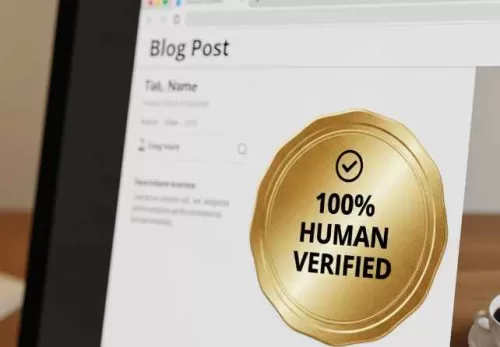
Or maybe we’ll need a badge: “Written by Human.” That could become the new standard. Or maybe no one will care—if it’s good.
Three Future Scenarios to Watch
Scenario 1: Platforms force content labeling You’ll have to declare AI use upfront.
Scenario 2: Human-AI hybrid writing becomes normal AI drafts, human edits—that’s the new teamwork.
Scenario 3: Detection tools disappear People stop caring how content was made. Only truth and value matter.
Which future do you prefer?
Final Thoughts: Let’s Focus on Quality
Artificial intelligence content detection will keep evolving. But don’t let it stop you from creating. Use AI wisely, edit deeply, and write with heart. No matter how it starts, your message matters. The future of content isn’t about hiding. It’s about being useful, thoughtful, and real.
SEO Pulse: 10 Big Search Updates You Need to Know (July 8, 2025)
Hey SEO friends! Callan here, back again with your weekly roundup of the most impactful news shaking up the search industry. It’s been a wild few days—Google’s got its eyes on video content, TikTok is making serious search moves, and even Apple’s dipping its toes deeper into local SEO.
Let’s break it all down so you can stay ahead of the curve. Here’s what actually matters this week:
1. YouTube Search Experiments: Chapters Are Now Ranking Signals
What Happened? YouTube is experimenting with using video chapters as ranking signals in both YouTube and Google search results. That means clear, keyword-optimized chapters could improve a video’s discoverability.
Why It Matters If you’re creating video content, this is huge. Chapters aren’t just for viewer convenience anymore—they’re SEO assets. Use timestamps and relevant headings that answer user intent. Think like a mini-FAQ for video.
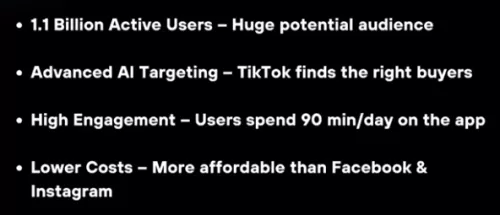
2. TikTok Tests Search Ads With Dynamic Keyword Targeting
What Happened? TikTok is rolling out new search ads that auto-target keywords based on user queries, similar to Google Ads. Early tests show these are appearing just under the search bar with “Sponsored” tags.
Why It Matters TikTok isn’t just a social app anymore—it’s a search engine, especially for Gen Z. If you’re in eCommerce or B2C, it’s time to explore TikTok SEO and search-based ad campaigns. Optimize your video captions with natural language queries and hashtags.
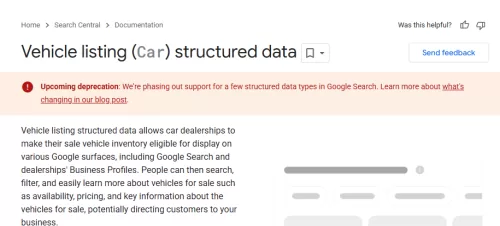
3. Google Adds Support for Vehicle Listings Structured Data
What Happened? Google quietly updated its documentation to support structured data for vehicle listings. It now allows dealers and marketplaces to show listings directly in search results—complete with pricing, availability, and specs.
Why It Matters Auto sites can now take up more SERP real estate and boost click-throughs. Add schema markup for each car’s make, model, mileage, and more. Expect this to become the new standard for auto SEO.
4. Apple Maps Connect Introduces Post Feature for Local Businesses
What Happened? Apple is testing “Posts” for local business listings, allowing owners to share updates, promotions, and events—similar to Google Business Profile.
Why It Matters Apple Maps powers Siri and iPhone Maps results. If your audience uses Apple devices, start optimizing your Maps Connect profile and prepare to leverage posts as a local visibility boost.
5. Gemini AI Now Rewriting Meta Descriptions in SERPs
What Happened? Some SEO experts noticed that Google’s Gemini-powered snippets are replacing original meta descriptions with AI-generated summaries—especially for vague or keyword-stuffed content.
Why It Matters Your meta description might not be what users see. Focus less on keyword density and more on clarity and usefulness. Use sentence structures that AI can easily understand and summarize without distortion. Here’s the Gemini Guide by Lauren Busby
6. Google Lens Search Traffic Surges—Visual Search Now Mainstream
What Happened? According to recent data, Google Lens queries are up 30% month-over-month. People are increasingly using images to search—especially for shopping and local discovery.
Why It Matters If you’re not optimizing for visual search, you’re missing out. Use alt text, compress images for speed, and add schema markup for products and reviews. Infographics and lifestyle images now carry search value.
7. Reddit’s SEO Traffic Skyrockets 800% After Google Deal
What Happened? Thanks to its licensing deal with Google, Reddit has seen an 800% increase in indexed pages and organic traffic. Google is giving it significant SERP visibility for forum-like queries.
Why It Matters Community content is having a moment. Consider building Q&A sections, user-generated content (UGC), or integrating forums to capture long-tail and conversational searches.
8. YouTube Shorts Get Dedicated Tab in Google Discover
What Happened? Google Discover is now surfacing YouTube Shorts in a dedicated feed tab, especially for mobile users browsing entertainment and news content.
Why It Matters Short-form video isn’t just for TikTok. If you have an educational brand, publishing consistent Shorts could unlock visibility in Discover—one of the highest-CTR traffic sources Google offers.
9. Yelp Updates Review Algorithm to Combat AI-Generated Content
What Happened? Yelp says it’s using AI and human review teams to filter out spammy or bot-written reviews. Businesses abusing AI-generated testimonials are being penalized.
Why It Matters Trust is crucial in local SEO. Focus on authentic, verified reviews—encourage happy customers to write detailed, experience-based feedback. Avoid “review farms” or generic AI templates.
10. Microsoft Debuts AI-Powered Website Scanner in Bing Webmaster Tools
What Happened? Bing launched an experimental AI crawler that identifies site structure issues, schema errors, and thin content—all within Bing Webmaster Tools.
Why It Matters This tool provides free, actionable insights. Use it alongside Google Search Console for a more holistic view of your technical SEO. Great for beginners and pros alike.
Start experimenting with Shorts, TikTok SEO, or visual search optimizations
Audit your meta descriptions and chapter content on video
Use Bing’s new AI scan for a quick site health check
Monitor Yelp or Google reviews for authenticity
Final Thought:
This week’s updates show that SEO is no longer just about links and keywords. It’s about presence—on every platform, every format, every device. Whether it’s TikTok, Shorts, or structured data, the key is to adapt smartly and stay curious.
Got questions or insights of your own? Drop them in the comments—let’s learn together. 🚀